Sourcing & Buying
Fast Fashion Wholesale: How US Boutiques Test Trends With a 2-Piece MOQ
A practical buying method for US boutiques that need newness every month without tying cash up in bulk inventory.
A fast-fashion assortment has one hard constraint: it has to look new every few weeks. The usual wholesale answer is a bulk order per style, which forces a buyer to guess the winner before a single unit reaches the floor. That guess is where most margin is lost. A low minimum changes the shape of the decision.
Why a 2-piece minimum changes the math
At two pieces per style, a boutique can put several silhouettes in front of customers for the price of one conventional order. In this range, wholesale prices start at $8.20 and top out at $33.90 per piece, so a two-piece test costs between $16.40 and $67.80 per style before shipping. That is close enough to a sample budget that testing stops being a special project and becomes the normal way to buy.
The benefit is not just lower exposure. Smaller first orders let a buyer put more styles on the floor at once, which is exactly what a trend-driven customer responds to. The question stops being "will this sell?" and becomes "which of these four will sell?" — a much easier question to answer with real sales data.
How to pick the first eight styles
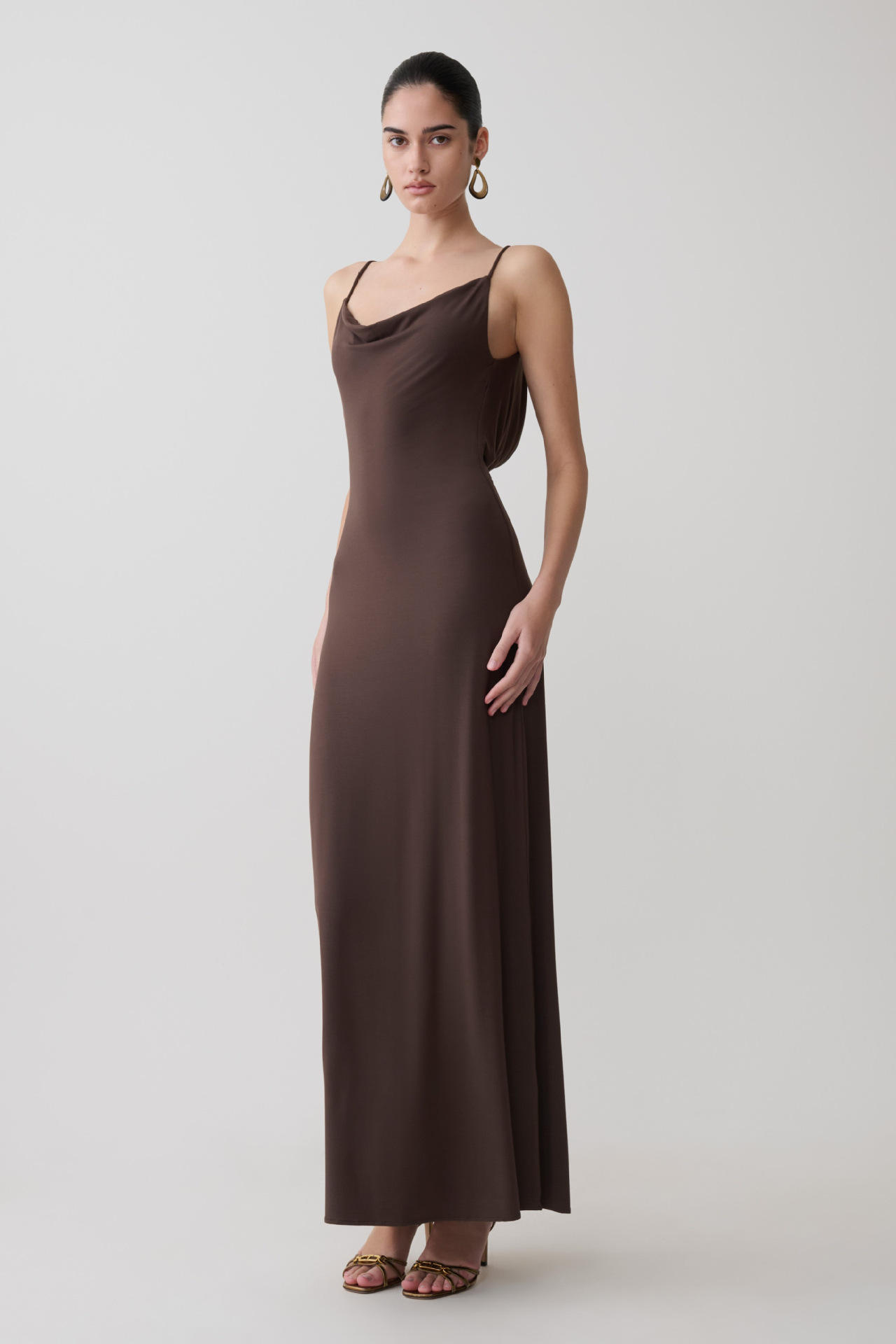
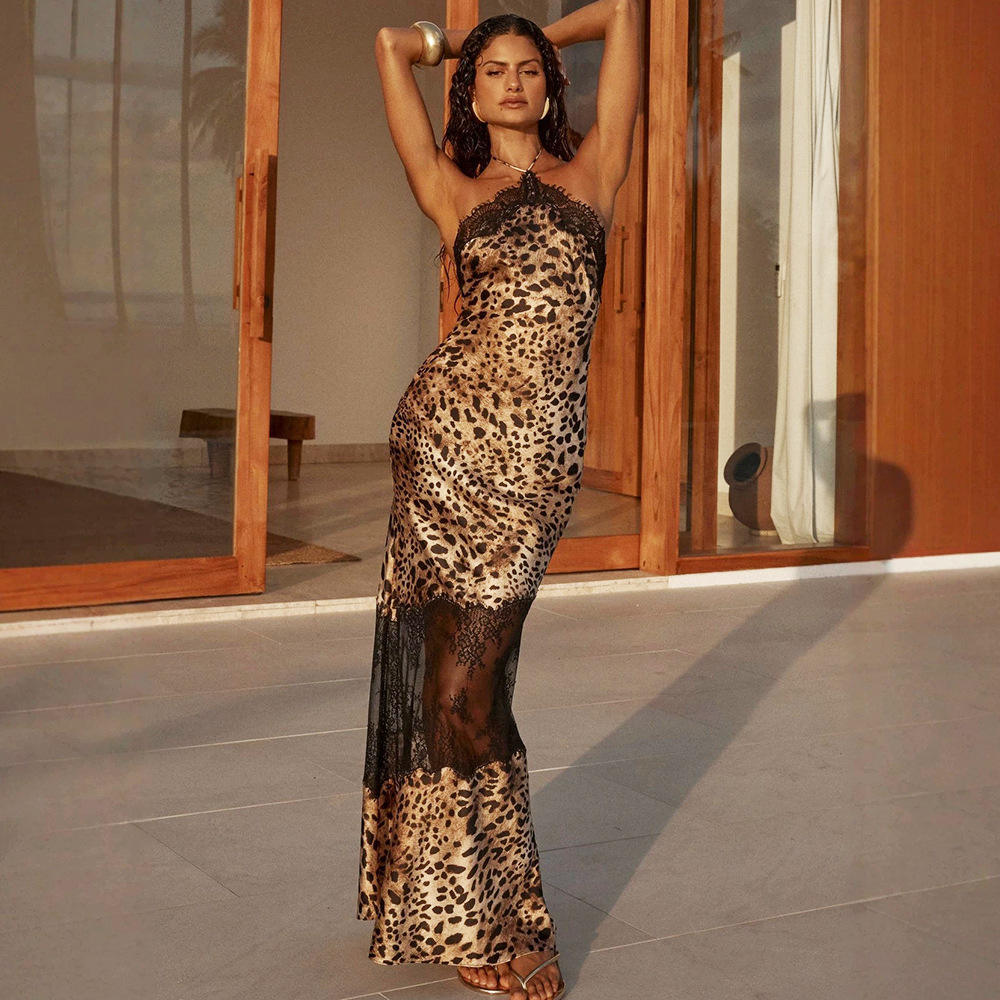
Split the opening order by use case rather than by fabric. For a 25 to 30 year old customer, that usually means two evening pieces, two resort pieces, two everyday dresses and one or two bottoms. This range is built that way: satin gowns and bodycon maxis for evening, floral chiffon and strapless minis for resort, and wide-leg denim to give the floor a non-dress option.
Two styles per use case is enough to read a direction. If the evening side sells through first, the next order goes deeper there. If it stalls, the same budget moves to resort. Buying across categories also makes the floor easier to merchandise, because every new delivery completes a look instead of adding another version of the same dress.
How to read the first sell-through
Give a style two to three weeks before deciding. A single unit selling out is not a signal; a style that sells two of four units within a fortnight is. Reorder the clear winners and let the middle of the pack stay as is — the mistake is to reorder everything that did not fail. With a 2-piece minimum, a repeat order is small enough that a reorder can happen twice in the time a bulk retailer would take to plan one.
What to send with an enquiry
The fastest quotes come from enquiries that state the style references, the size range you stock, the colors you want, and the date you need stock. If you are testing, say so: a supplier who knows the first order is small can tell you what is in stock and what needs a production slot. OEM and private label are available on this range, but they are a second step — the first order is usually better spent on finding the silhouette.
The styles that sell out are rarely the ones that look best in a line sheet. Small first orders exist so you can find out which is which.
If you are rebuilding a dress assortment for the US market, start with a handful of styles you can actually reorder. Send the list and we will confirm availability, size range and lead time.